
FA 13-C Advanced Drawing
The course is a studio and portfolio production course. It is a study and application of insights and competencies gained from visual perception courses on two dimensional surfaces or grounds. Here, students will gain deeper understanding of visual phenomena (e.g. tonal values, form/structure, lines, edges, etc.) that helps produce successful drawing projects.
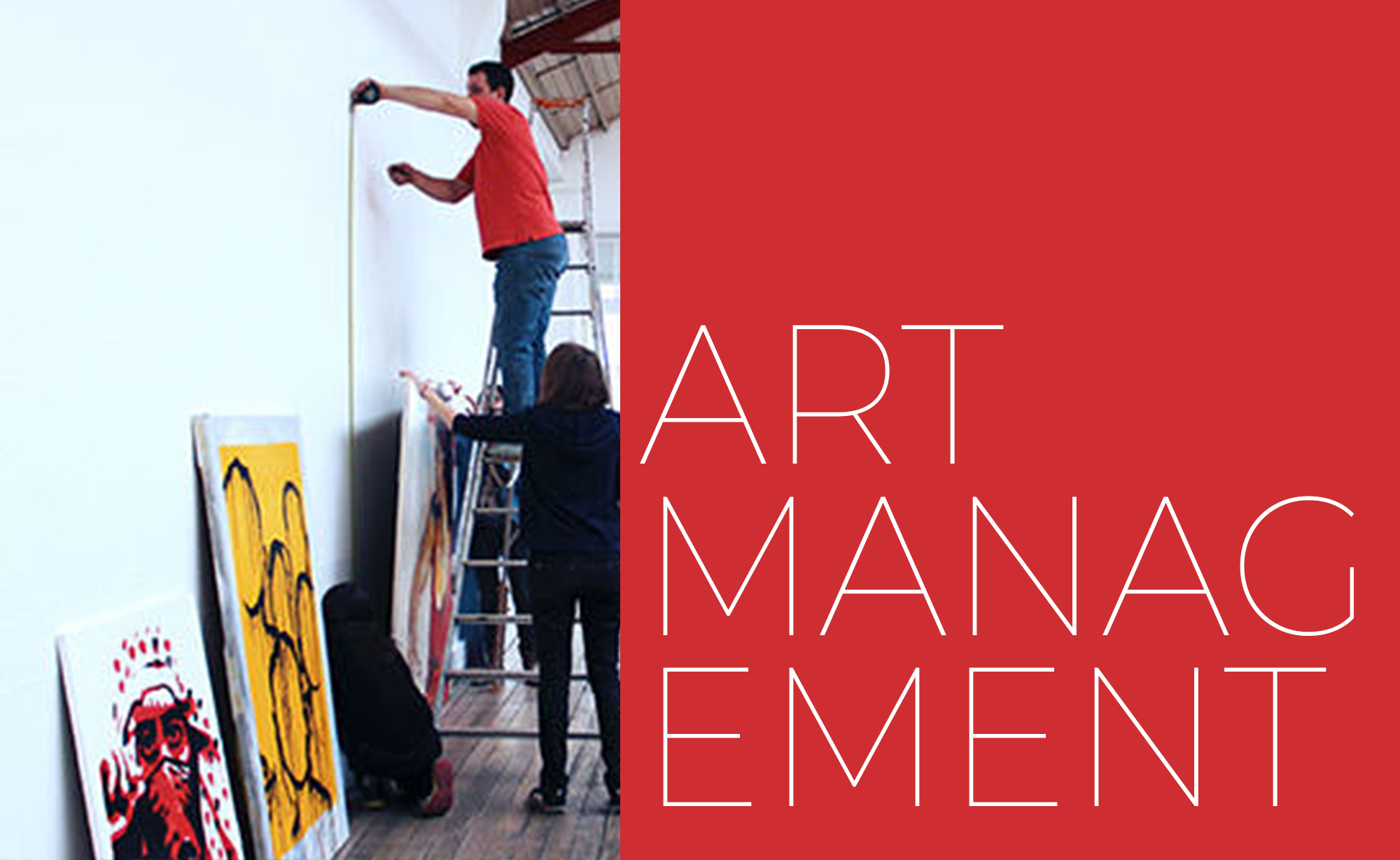
SFA 188-B Art Management
In order for students to be prepared for the challenges in the contemporary art world, the course seeks to deepen the understanding of students of the importance of art management and its many facets. It allows them to understand processes beyond art production and introduce them to modes of art circulation and distribution within art institutions and organizations. It would allow them to navigate around the contemporary art world and think of other potential professional career in the arts that they might want to pursue.
PHILARTS 1- H (Product Design)
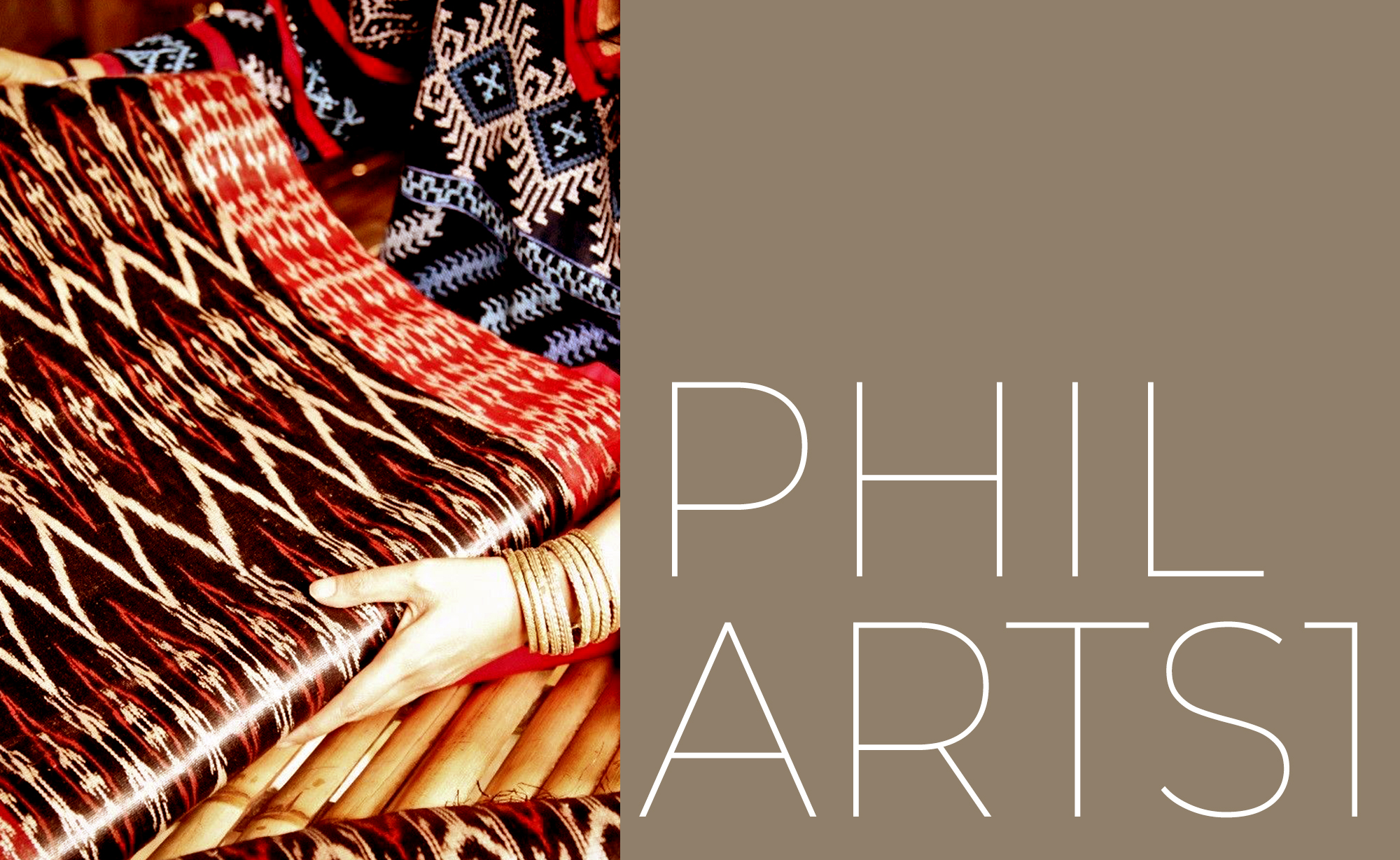
The course seeks to deepen students' understanding of the interrelationship of life and art practices in everyday life. It examines the valuations of art in relation to cultural practices and social processes in various Philippine communities. It also aims to broaden the definition of art in the context of societal changes. Philippine Arts and Culture prepares students to critically understand the arts and expressive cultures as seen through the lens of ideology, locally grounded aesthetics, and local and global societal forces.

D111 - Techniques II (Digital Rendering)
D111 Techniques 2 aims to deepen a student’s understanding and mastery on the use of computer-aided design software. Techniques 2 will pick up where Techniques 1 left by translating hand-rendered illustrations into vector and raster-based digital formats. Furthermore, Techniques 2 will cover the basics of 3D parametric modeling and sculpting to translate digital illustrations into 3D space. Each topic is delivered in weeks of three were a cycle of lecture, production, and feedback is observed.
The course aims to widen the student’s experience in software earlier introduced in VC143 Graphic Design Workshop with more attention on the software’s primary work tools and the iterative process of product design over multiple digital platforms.
FA 11 C - Visual Communication
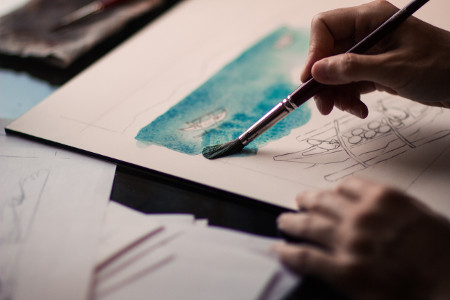
Visual Communication is a core course that seeks to introduce students
to the concepts and theories of visual communication in art production.
SFA 188 Arts Management A
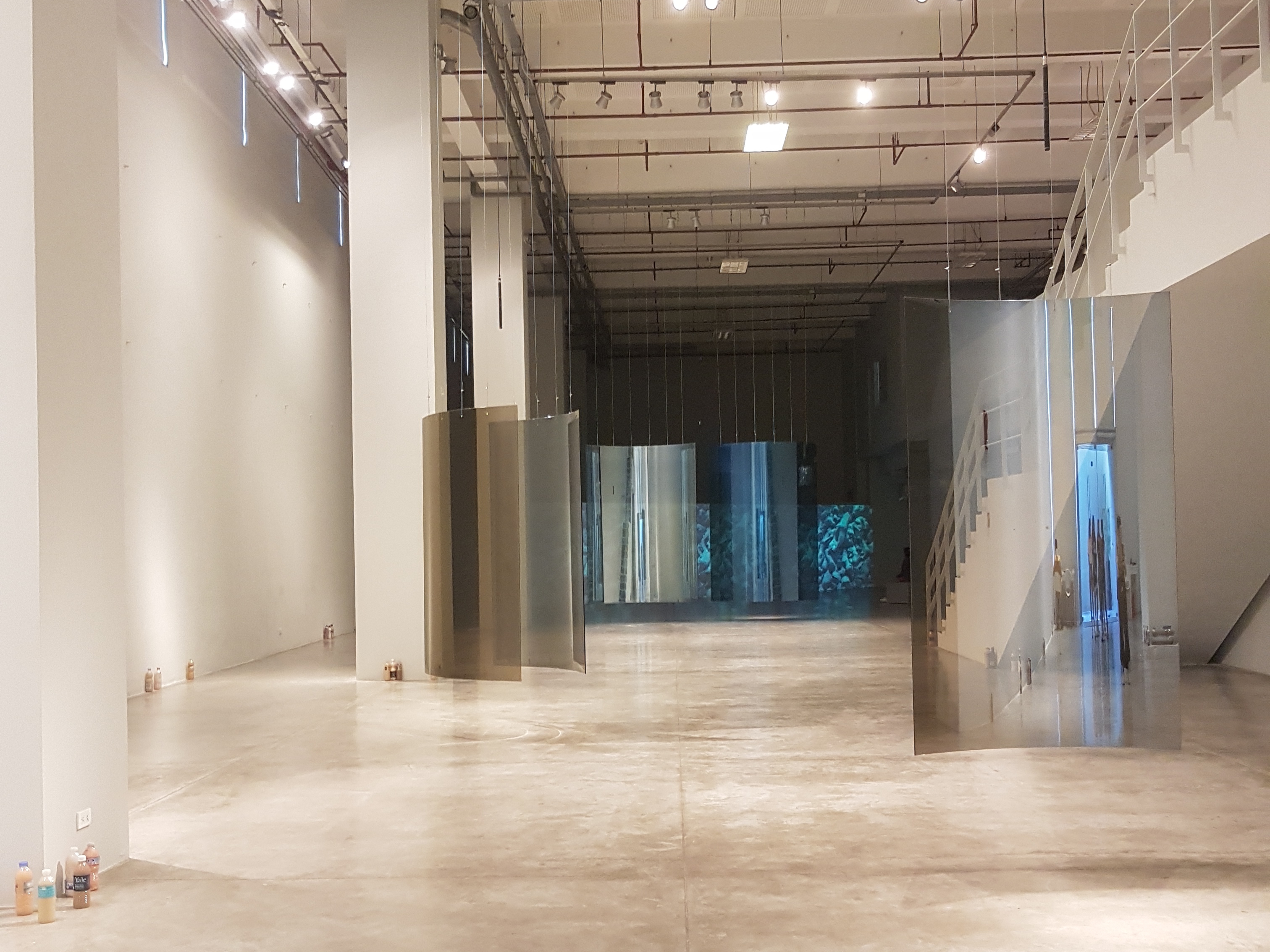
Studio Arts Management: Managing Art Exhibitions, Fairs, personal merchandise, 4P’s of Marketing
D 153 Product Design Workshop I
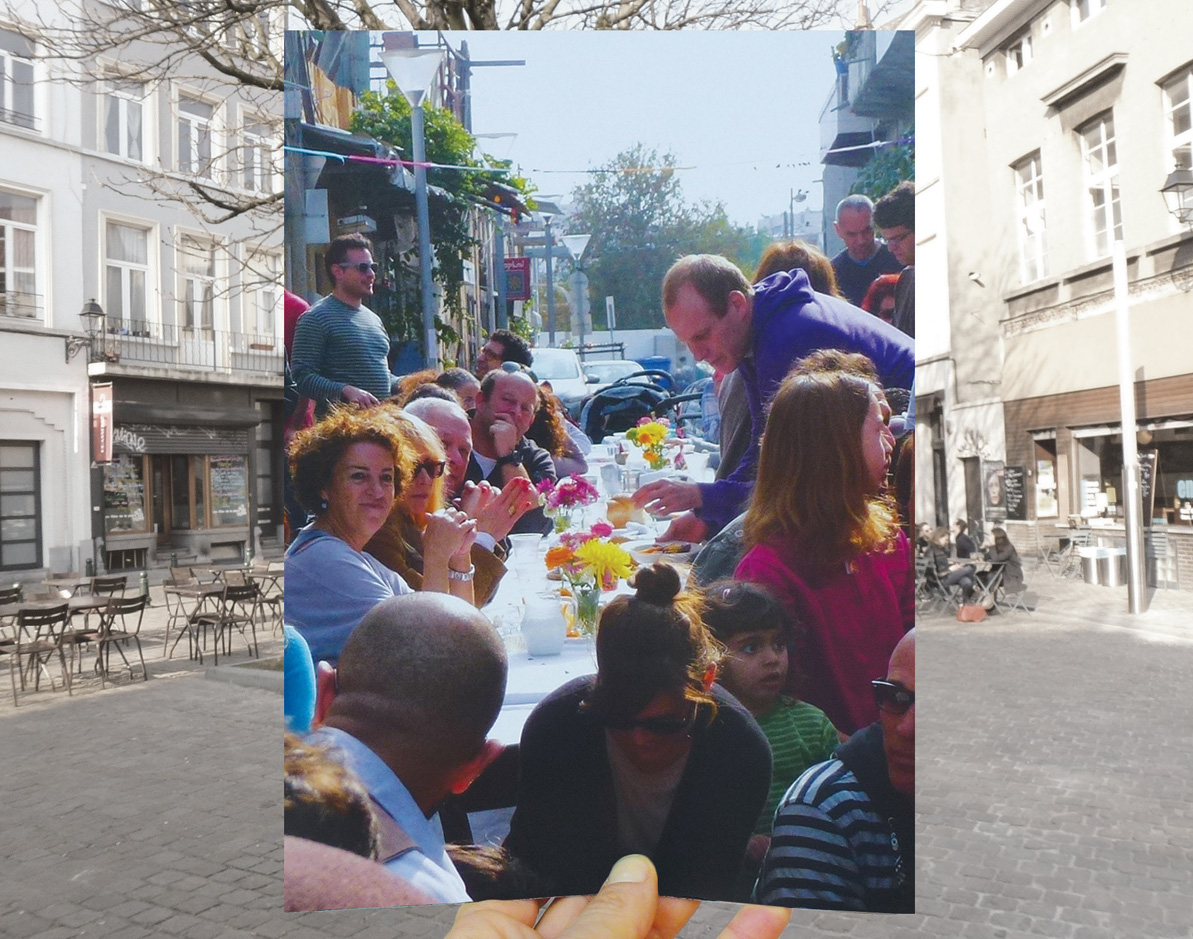
SOCIAL DESIGN: design production in collaboration with local communities (education, environment, healthcare, disaster, sustainability, innovation, etc.)

VC-142-B Printmaking
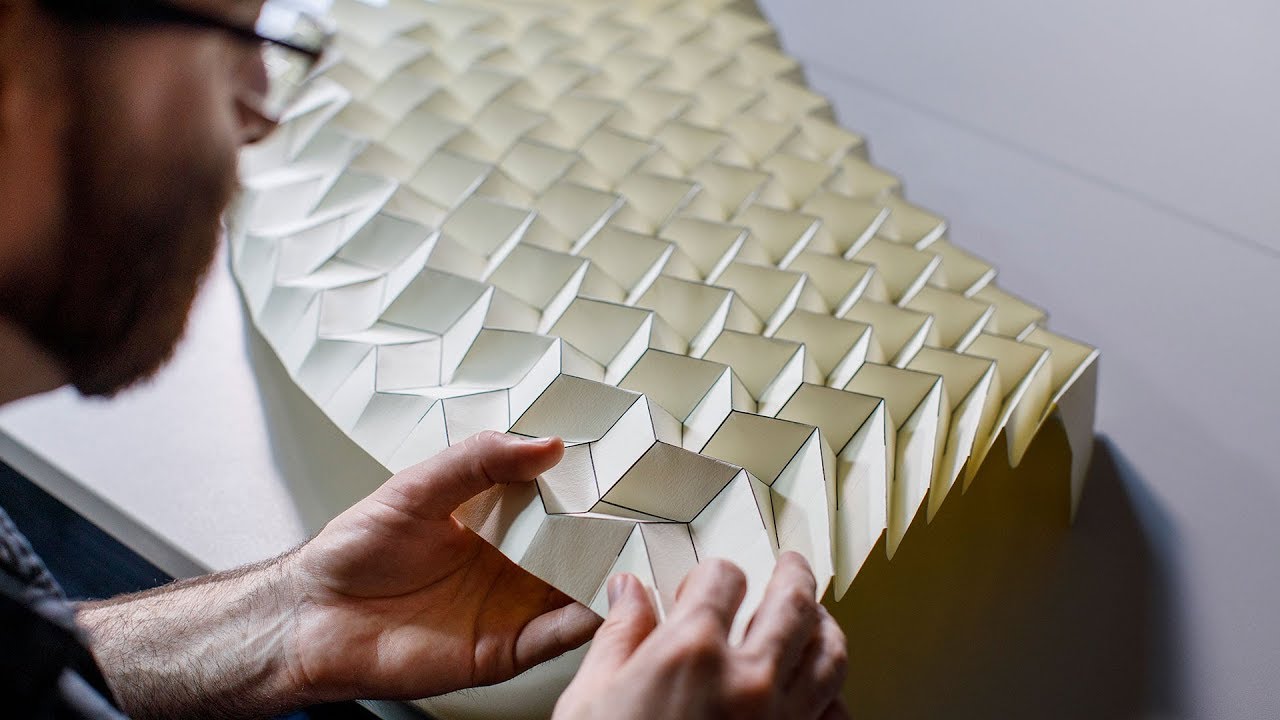
The course is to familiarize the student the Basic Technique and Methods in Printmaking as in Serigraphy, Linoleum/ Rubber cut, Wood Cut, Collagraph and Etching. Through the application of the Basic technique and Methods the student can experience and develop a different and unique kind of Art Media. The course also aims to develop the student to be fully equipped in some other Art Forms and technique.
D121-A Introduction to Product Design II
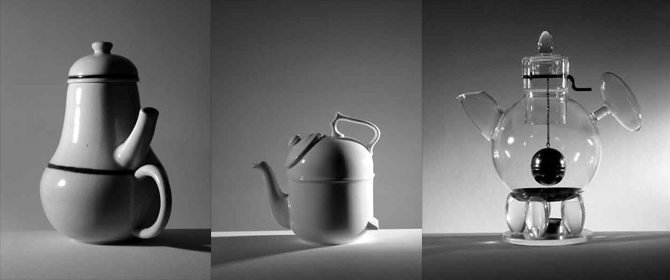
HUMAN-CENTERED DESIGN: Design and the Body, Self and Individuality (personal psychology, style, values)
SFA-125 A - Materials 2 (MON 9-12)
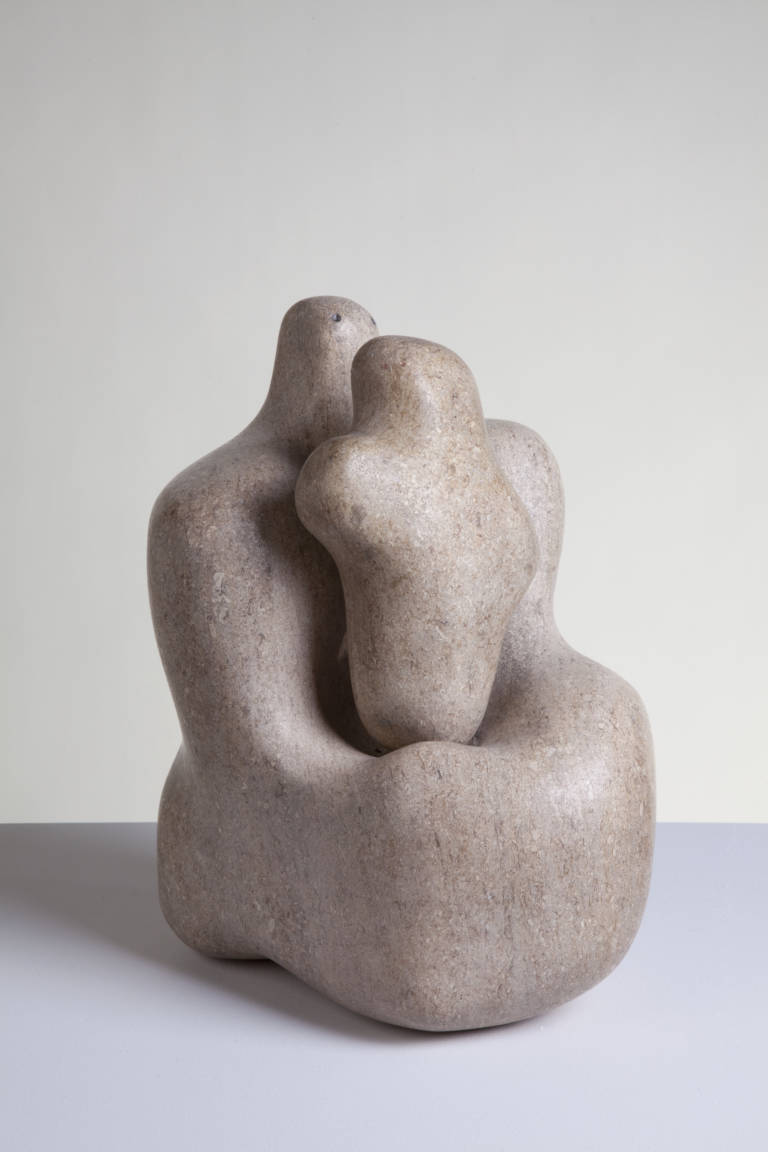
The course is to familiarize the student the Basic Fundamentals of 3 Dimensional Forms as in Sculpture and Carving. Through the application of the Basic Elements of Art like : Lines, Forms and Texture, the student can develop critical thinking in 3D Composition and Exploration.
The course also aims to let the student experience the Tactile approach through Sculpting and Carving in whole the student will be properly trained to apply the appropriate dimension and proportion for the final output of their works.


VC- 142 A Printmaking
The course is to familiarize the student the Basic Technique and Methods in Printmaking as in Serigraphy, Linoleum/ Rubber cut, Wood Cut, Collagraph and Etching. Through the application of the Basic technique and Methods the student can experience and develop a different and unique kind of Art Media. The course also aims to develop the student to be fully equipped in some other Art Forms and technique.
SFA-125- B Materials 2
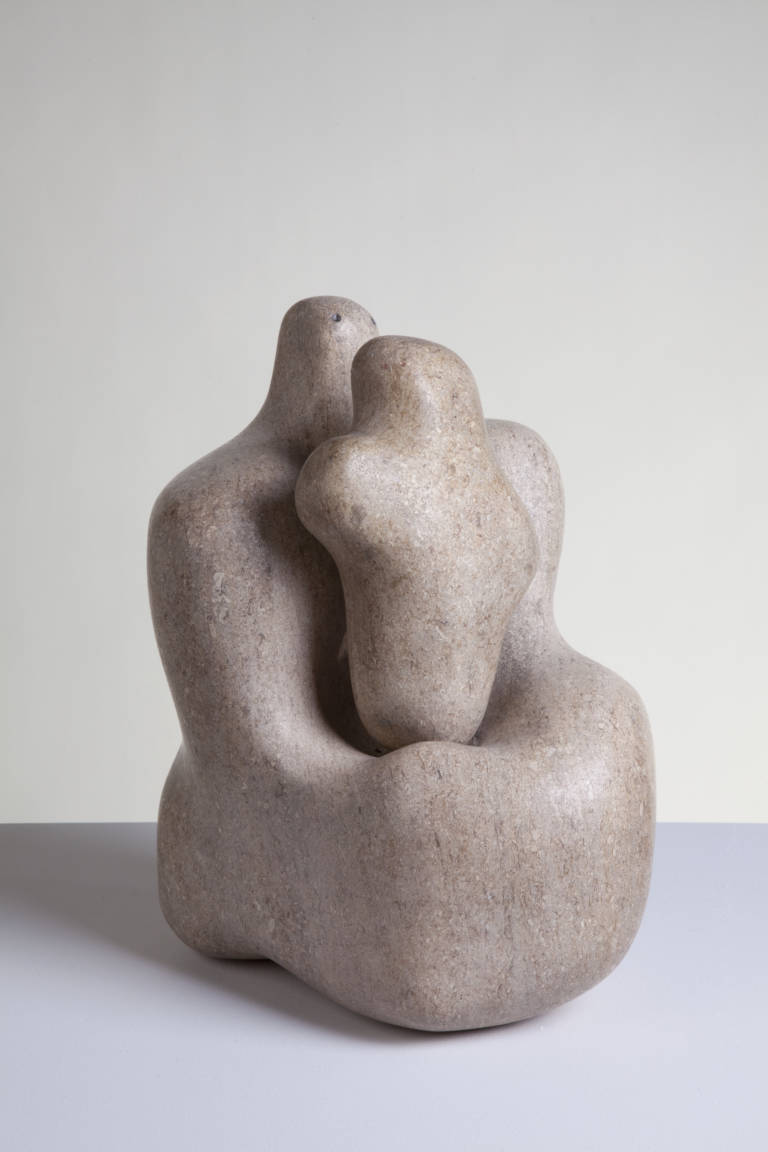
The course is to familiarize the student, the basic fundamentals of 3 dimensional Forms as in Sculpture and carving through the application of the Basic elements of art like ; lines, Forms and texture, the student can develop critical thinking in 3D Composition and Exploration.
The course also aims to let the student experience the Tactile approach through Sculpting and Carving in whole the student will be properly trained to apply the appropriate dimension and proportion for the final output of their works.